
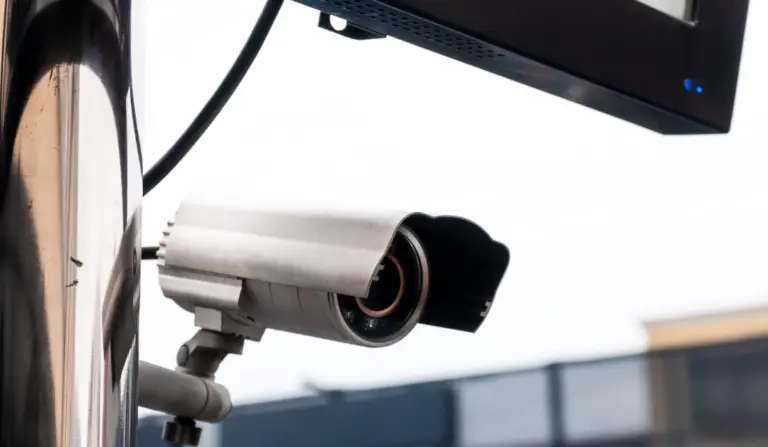
You have a Ring doorbell. Maybe a monitored alarm. A deadbolt on the front door. And you probably feel reasonably secure.
But here is the uncomfortable truth: most home security systems are designed to detect a break-in, not prevent one. By the time your alarm sounds, a criminal has already breached your home.
This guide goes through every major layer of residential home security: what each one does, where it fails, and how to combine them into a system that stops intruders before they get inside.
Quick Answer: What Is the Best Home Security System?
The most effective home security system is a layered strategy rather than a single product. Each layer serves a different function: deterrence, detection, delay, and denial. Most homeowners invest heavily in deterrence and detection but skip delay and denial entirely. That gap is where break-ins happen. A complete system addresses all four, with impact-resistant glazing like Strikeglass forming the critical physical barrier at your home’s most vulnerable points: the windows and glass doors.
Layer 1 (Deterrence): Making Your Home Look Like the Wrong Target
Criminals operate on risk assessment. Before attempting a break-in, most will case a property and choose the easiest target on the street. Deterrence is about making that calculation work in your favour.
Smart Doorbells and Exterior Cameras
Visible cameras, particularly video doorbells, are one of the most effective deterrents available. Studies consistently show that properties with visible surveillance equipment are passed over in favour of easier targets. The key word is visible. A hidden camera captures footage; a visible one changes behaviour.
What it does well: Deters opportunistic criminals. Documents incidents. Provides remote monitoring.
Where it falls short: Determined or experienced criminals know cameras do not physically stop them. Footage is useful after a break-in, not during one.
Best options to consider: Ring Video Doorbell, Google Nest Cam, Arlo Pro. Look for 1080p minimum, night vision, two-way audio, and local storage backup.
Exterior Lighting
Motion-activated lighting is one of the cheapest, highest-ROI security investments a homeowner can make. Criminals rely on darkness and concealment. Flood lights eliminate both.
What it does well: Eliminates concealment at entry points. Low cost, easy to install. Highly effective against opportunistic crime.
Where it falls short: Does nothing against daytime break-ins. Provides no physical barrier.
Alarm System Signage
A yard sign or window decal from a recognized security company signals that your home is monitored and response is coming. Many break-in attempts are abandoned at this stage.
What it does well: Zero-cost deterrent once you have the system. Extends the deterrent effect of your alarm into the visual perimeter.
Where it falls short: Savvy criminals know average police response times. A sign alone does not stop someone who has decided to proceed.
Layer 2 (Detection): Knowing the Moment Something Goes Wrong
Deterrence is not perfect. When it fails, detection needs to trigger fast and alert the right people.
Monitored Alarm Systems
A professionally monitored alarm system, where a 24/7 monitoring centre dispatches emergency services when it is triggered, is more effective than a self-monitored system that only sends a notification to your phone.
What it does well: Creates accountability and speeds emergency response. Deters criminals who know monitored alarms exist. Some insurance providers offer premium reductions for monitored systems.
Where it falls short: Police response times in the GTA vary widely depending on call priority and location. A smash-and-grab home invasion is over in under two minutes. Detection alone cannot close that gap.
Best options to consider: ADT, Alarm Force, Telus SmartHome Security, SimpliSafe. Look for cellular backup, battery backup, and glass break sensors.
Glass Break Sensors and Door/Window Contacts
Door and window contacts detect when a door or window is opened. Glass break sensors detect the acoustic frequency of shattering glass, so the alarm triggers even if a window is broken without being opened.
What it does well: Faster detection than motion sensors inside the home. Triggers alarm at the point of entry rather than after the intruder is already inside.
Where it falls short: Still reactive, not preventive. And if your glass shatters, the entry point is already breached.
Smart Motion Sensors
Interior motion sensors detect movement inside the home and trigger the alarm if armed. They are a useful second detection layer, but by definition they only activate once someone is already inside.
Layer 3 (Delay): Slowing an Intruder Down
This is where most residential security systems have a serious gap. Deterrence and detection are widely deployed. Delay is not.
Delay is the physical resistance your home puts up against forced entry. Every second an intruder spends trying to get in is a second they are exposed, visible, and at risk of being caught. Most criminals will abandon an attempt if it takes longer than 60 seconds to breach.
Reinforced Door Frames and Deadbolts
On most doors, the weakest point is the frame, not the lock. A standard deadbolt can be defeated in seconds with a well-placed kick, because the frame splinters before the lock gives way. Door frame reinforcement kits with steel strike plates anchored into the stud dramatically increase resistance to kick-in attacks.
What it does well: High impact, low cost. Directly addresses one of the most common forced entry methods.
Where it falls short: Only protects doors. Windows and glass doors remain vulnerable.
Security Bars and Window Grilles
Physical bars on windows provide strong forced-entry resistance, but come with significant drawbacks: they are visually unappealing, reduce natural light and can affect property values. Most importantly, they create a fire safety hazard if they cannot be quickly removed from inside.
What it does well: High physical resistance. Effective deterrent.
Where it falls short: Aesthetic impact is significant. Fire egress concerns are real and should not be dismissed. There is a better option.
Layer 4 (Denial): Physically Stopping the Breach
Most home security systems never address this layer, and it is the most important one.
Denial means your home has a physical barrier that an intruder cannot get through in a reasonable attack window. Instead of slowing them down, it stops them.
For windows and glass doors, the most common residential entry points after the front door, there is one product that delivers true denial: Strikeglass.
Strikeglass: The Physical Barrier for Windows and Glass Doors
Strikeglass from 416 Security Solutions is a security glazing panel that installs over your existing windows and glass doors. It does not replace your glass. It reinforces the glass you already have. And once it is installed, no additional film, bars, or glass treatment is needed.
What sets it apart from everything else in this guide:
- Up to 300× stronger than regular glass: Strikeglass stays intact under hammers, rocks, crowbars and repeated strikes. It does not shatter.
- Retrofit installation: Bonded onto your existing glass, so there is no window replacement or construction. Most residential installations are complete in a single day.
- Optically clear: Your view, natural light and curb appeal stay exactly as they are. Neighbours will not know it is there.
- Always on: Unlike an alarm that needs to be armed or a camera that needs power and a connection, Strikeglass protects the home around the clock without anyone touching it.
- UV protection: Blocks UV rays to prevent interior fading and material degradation.
- Noise reduction: Dampens exterior noise for a quieter, more comfortable home.
- Energy efficiency: Superior insulation properties help maintain indoor temperatures year-round, reducing heating and cooling costs.
Where windows and glass doors are concerned, Strikeglass moves the outcome from delay to denial.
How the Layers Work Together: The Complete Residential Security System
Here is what a fully layered home security system looks like when all four functions are covered:
Deterrence
- Video doorbell (visible, with two-way audio)
- Motion-activated exterior flood lights at all entry points
- Monitored alarm signage
Detection
- Professionally monitored alarm system with cellular backup
- Door and window contact sensors on all ground-floor entry points
- Glass break sensors on upper-floor windows
- Interior motion sensors as a secondary layer
Delay
- Reinforced door frames with steel strike plates on all exterior doors
- High-grade deadbolts (Grade 1 ANSI rated)
Denial
- Strikeglass installed on all ground-floor windows, sliding glass doors, and any glass panels adjacent to door locks, which removes the need for bars, film or any other glass-based stopgap
With this system in place, your home becomes the wrong house: the one a criminal walks past to find an easier target.
Frequently Asked Questions: Residential Home Security
What is the most vulnerable entry point in a home? After the front door, windows and sliding glass doors are the most common residential entry points. Standard glass breaks in a single strike. This is why a home needs physical glazing protection as well as alarms and cameras.
Is Strikeglass suitable for all window types? Strikeglass is a retrofit system designed to install over most existing residential window and door configurations. A 416 Security Solutions assessment will confirm compatibility and identify which entry points are highest priority for your specific home.
Does Strikeglass affect natural light or the view from inside? No. Strikeglass maintains full optical clarity. From inside and outside, it is indistinguishable from standard glass. Natural light, views, and the appearance of your home are completely preserved.
How does Strikeglass compare to security bars on windows? Security bars provide physical resistance but come with serious trade-offs: visual impact, potential effect on property values, and fire egress risks. Strikeglass delivers equivalent or superior forced-entry resistance with none of these downsides, and it adds UV protection, noise reduction, and energy efficiency as well.
Will home security upgrades lower my insurance premiums? Many home insurance providers offer discounts for monitored alarm systems, and some recognize security glazing as a risk-reduction measure. Contact your insurance provider to understand what upgrades qualify under your specific policy.
How long does Strikeglass installation take for a home? Most residential Strikeglass installations are completed within a single day. The retrofit system mounts over your existing glass without requiring window replacement or significant construction work.
Do I need Strikeglass on every window in my home? Not necessarily. The highest priority is ground-floor windows, sliding glass doors, and any glass adjacent to door locks or handles, where breaking the glass gives direct access to your home or to a lock. A professional security assessment will identify your specific vulnerabilities.
The Bottom Line
A camera tells you someone broke in. An alarm tells you when. A deadbolt slows them down at the door.
Strikeglass stops them at the window.
Most home security investments focus on detection and deterrence: technology that responds after a breach has begun. Strikeglass is the physical layer that prevents the breach from happening at all. Combined with a monitored alarm and reinforced entry points, it closes the gap that almost every residential security system leaves open.
Your home’s weakest point is its glass. Strikeglass fixes that.