
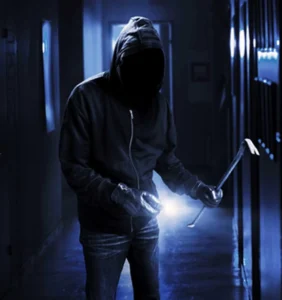
For years, car theft in the GTA meant waking up to an empty driveway. That has changed. Many modern vehicles are harder to steal without the key fob, so some thieves now go into the house to get it. Toronto police have described this as one of the most concerning shifts in residential crime in the city.
This guide covers what police have reported, what they recommend, and how to keep someone from getting inside your home in the first place.
Quick Answer: What Is a Car Theft Home Invasion?
A car theft home invasion is a break-in where the main goal is to find the keys or fob for a vehicle parked at the home. Thieves force entry, often through a door or ground-floor glass, search near entrances and in bedrooms for the fob, and drive the vehicle away. Some of these break-ins happen while families are home, and police have reported that suspects are sometimes armed.
What Toronto Police Have Reported
According to the Toronto Police Service, home invasions and break-ins tied to auto theft rose 400 per cent in 2023. In the same period, Chief Myron Demkiw reported that more than 12,000 vehicles were stolen in Toronto in a single year, more than one an hour.
The issue drew national attention when an officer at an Etobicoke community meeting suggested residents leave their keys by the front door so thieves would not need to come further into the house. The service later issued a statement calling the advice well meaning but saying there are better ways to prevent these home invasions, and stressing that people should always put their own safety ahead of their vehicle.
What Police Recommend
The Toronto Police statement listed several prevention steps. In summary, they recommend:
- Parking vehicles in a garage when possible
- Keeping the driveway well lit and exterior lights on overnight
- Installing a home security system and cameras
- Strengthening the glass on windows and doors
- Keeping backyard gates locked and ground-floor windows secured
- Reporting suspicious vehicles and people in the neighbourhood
The common thread is that most of these steps are about the house, not the car. The vehicle is the target, but the home is where the risk to your family is.
Why Your Front Door Is Not the Only Concern
Most homeowners respond to this trend by upgrading the front door lock. That helps, but these break-ins do not always start at the front door.
Glass near the door
Many GTA homes have sidelights or glass panels next to the front door. Breaking that glass lets someone reach in and turn the deadbolt, which makes a high-grade lock much less useful.
Side and rear entry points
Garage entry doors, side doors and rear patio doors are out of view from the street and often have weaker locks or large glass panes.
Ground-floor windows
A window in a dark room at the side of the house is a quiet way in, especially if the household is asleep.
A Practical Plan for Car Owners in the GTA
- Store fobs in a Faraday pouch, away from doors and windows. This blocks relay attacks, where thieves copy the fob signal from outside the house.
- Use a steering wheel lock or aftermarket immobilizer. A vehicle that is harder to drive away is less valuable to steal, even with the fob.
- Light the driveway and the sides of the house. Approach routes should not be dark.
- Monitor and alarm the house, including when you are home. Arm perimeter sensors at night.
- Secure every ground-floor glass entry point. This is the step that decides whether someone can actually get inside.
- Have a family plan. If someone does get in, everyone should know that the car is not worth a confrontation, which is exactly what police advise.
Keeping Intruders Outside With Strikeglass
The safest home invasion is the one that never gets past the glass. Standard glass in a sidelight, patio door or basement window breaks quickly and quietly enough that a household may not notice until someone is already inside.
Strikeglass residential security glazing is built to resist repeated, forceful strikes from tools like hammers and pry bars. It is bonded onto your existing glass, so your windows and doors look the same. An intruder who expected to be inside in seconds is left outside, making noise, while your alarm and cameras do their job.
For car theft break-ins, we typically prioritize:
- Sidelights and glass panels beside front and side doors
- Glass in garage entry and mudroom doors
- Rear sliding and French patio doors
- Ground-floor and basement windows on the sides of the house
Frequently Asked Questions
Why are thieves breaking into homes to steal cars?
Many newer vehicles are harder to steal without the original key fob. Breaking into a home to find the fob can be faster and more reliable for thieves than defeating the vehicle’s security.
Should I leave my car keys by the front door?
Toronto police have said there are better ways to prevent these break-ins. If you keep fobs near an entrance, store them in a Faraday pouch, and focus on keeping intruders from getting inside the house at all.
Do Faraday bags stop car theft?
A Faraday bag blocks the signal from a key fob, which prevents relay attacks where thieves copy the signal from outside. It does not stop someone who breaks into the house and takes the fob.
What should I do if someone breaks into my home for my car?
Do not confront them. Get to a safe room if you can, call 911, and let them take the vehicle. Police have consistently said your safety comes before your car.
Which entry points do car thieves use most?
Doors are common, but glass beside or in doors, patio doors and side windows are frequent targets because they can be broken quickly and are often out of sight from the street.
Protect the People Inside, Not Just the Car Outside
416 Security Solutions works with homeowners across Toronto, Etobicoke, Mississauga, Brampton, Vaughan and the GTA to secure the glass entry points that car theft break-ins depend on.