
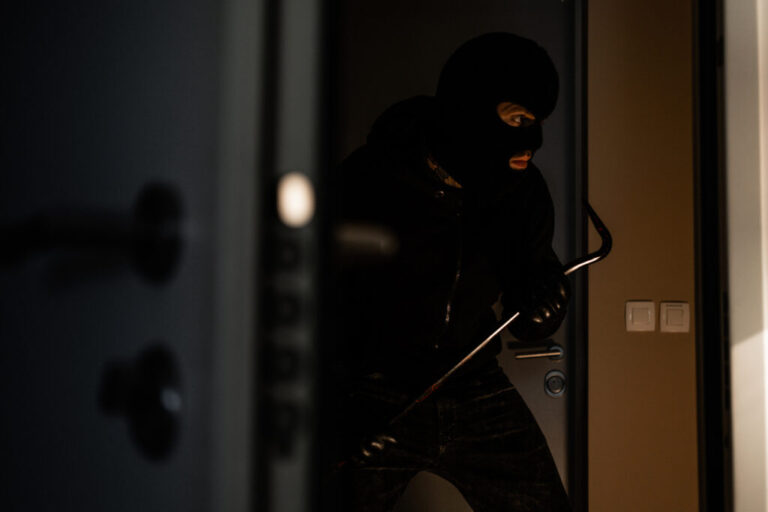
Fall Break-In Season in the GTA: Why Evenings Get Riskier After the Clocks Change
Every autumn, police services across the Greater Toronto Area see the same pattern. The clocks fall back, the sun sets before most people get home from work, and residential break-ins climb. For 2026, daylight saving time ends on Sunday, November 1. The weeks that follow are some of the busiest of the year for residential break and enters in Toronto, York Region, Peel and Halton.
This guide explains what police have reported about the fall spike, why the early evening is the window that matters, and which changes make the biggest difference for GTA homeowners.
Quick Answer: Why Do Break-Ins Increase in the Fall?
Break-ins in the GTA rise in late fall because it gets dark earlier while people keep their usual evening routines. Homes sit empty and unlit between roughly 5 p.m. and 10 p.m., which gives thieves cover to approach the back of a house, break a rear window or patio door, and leave within minutes. Police in York Region have also linked the seasonal rise to organized theft groups that operate in Canada during the fall and winter.
What GTA Police Have Reported
York Regional Police have tracked the fall increase for several years. In one two-week stretch after the time change, officers investigated 77 residential break-ins, the highest count for that post-time-change period since 2019. The service pointed to shorter daylight hours and more trips away from home as the reasons.
York police later launched Project Dusk specifically to address the yearly fall rise. According to the investigators, the groups behind many of these offences target homes between 6 p.m. and 10 p.m., wait for residents to leave for errands, sports or dinner, and are typically in and out within minutes. Twenty people faced more than 200 charges in that investigation.
Halton Regional Police have described a similar pattern, noting that most break-ins they investigated happened between 5 p.m. and 10 p.m., with entry usually made by smashing a rear door or window.
Why the Early Evening Is the Window That Matters
Most homeowners picture a break-in happening at 3 a.m. while the family sleeps. The fall data points somewhere else. The highest-risk hours are the ones when a home is dark and empty but the street is still busy enough that a person in dark clothing does not stand out.
Dark houses are easy to read
A house with no lights on at 6 p.m. in November tells anyone walking past that nobody is home. In summer, the same house at the same hour looks normal because it is still daylight.
Rear glass is the usual entry point
Police reports from York and Halton both describe entry through rear windows and patio doors. The back of a house is out of sight from the street, often unlit, and usually has the largest panes of glass on the property.
Speed is the strategy
These groups work quickly. They break glass, go straight to the primary bedroom for jewellery, cash and handbags, and leave. An alarm going off does not change much if the thieves expect to be gone before anyone responds.
How to Protect Your Home This Fall
The goal is to make your home look occupied and to make the glass at the back of the house hard to get through. These steps cover both.
- Put interior and exterior lights on timers. Set them to come on before sunset, which will be close to 5 p.m. in November, and vary the times slightly.
- Light the back of the house. Motion-activated lights on rear doors, patios and side passages remove the cover that rear entry depends on.
- Lock gates and side passages. A locked gate adds time and noise to an approach from the back.
- Keep valuables out of the primary bedroom. That room is searched first. A bolted safe in a less obvious location is a better option.
- Arm your alarm for short trips. Many fall break-ins happen during a one or two hour absence, not a vacation.
- Upgrade the glass at your rear entry points. Lighting and alarms make your home less attractive. Stronger glass is what keeps someone outside if they try anyway.
Where Strikeglass Fits
Standard window and patio door glass breaks with one or two hits from a hammer or pry bar. That is why rear glass is the entry point police keep describing. Strikeglass for residential windows is a security glazing system that resists repeated, forceful impacts and is bonded onto the existing glass, so you keep the look of your home and the light coming in.
For the fall break-in pattern specifically, the priority areas are:
- Sliding patio doors and French doors at the back of the house
- Ground-floor rear windows and basement windows
- Any window or glass panel within reach of a door lock
When a thief who expects to be inside in seconds meets glass that does not break, the plan stops working. Most will leave rather than spend minutes making noise at the back of a house.
Frequently Asked Questions
When does daylight saving time end in Ontario in 2026?
Daylight saving time ends on Sunday, November 1, 2026, when clocks move back one hour. Sunset in Toronto moves to around 5 p.m. shortly after.
What time of day do most fall break-ins happen in the GTA?
Police in York and Halton regions have reported that most fall residential break-ins happen in the early evening, roughly between 5 p.m. and 10 p.m., when homes are dark and often empty.
How do thieves usually get into homes in the fall?
The most common method described by GTA police is forcing or smashing a rear door, patio door or window, usually at the back of the property where the approach cannot be seen from the street.
Do lights and alarms prevent fall break-ins?
Lights and alarms reduce the chance your home is chosen, but they do not physically stop entry. Pairing them with impact-resistant glass on rear entry points covers both deterrence and prevention.
Can Strikeglass be installed before November?
Most residential installations are completed within a day. Booking an assessment in October gives you time to have rear entry points protected before the time change.